
My Top Designers at Fashion Week So Far: Why I Can Now Open Vogue Runway Again
Wes Gordon, Daniel Roseberry, Johanna Ortiz, Jonathan Anderson, Gabriela Hearst and Ralph Lauren. These are the designers making fashion interesting again.
At last! We are finally getting some personality back. After seasons of dull themes of ‘quiet luxury’, beige, and dare I say boring, minimalism, and collections that seem to be designed primarily for social media’s gaze, fashion is starting to feel exciting again. There is drama and creativity, combined with boldness and artistic silhouettes, features that make the woman wearing these designs feel like an empowered art piece, giving her presence and authority. This is what we have been missing. Many of the collections this season seem to draw out of me a liking towards patterning and tailoring that I usually would not like. That is how you know fashion is working.
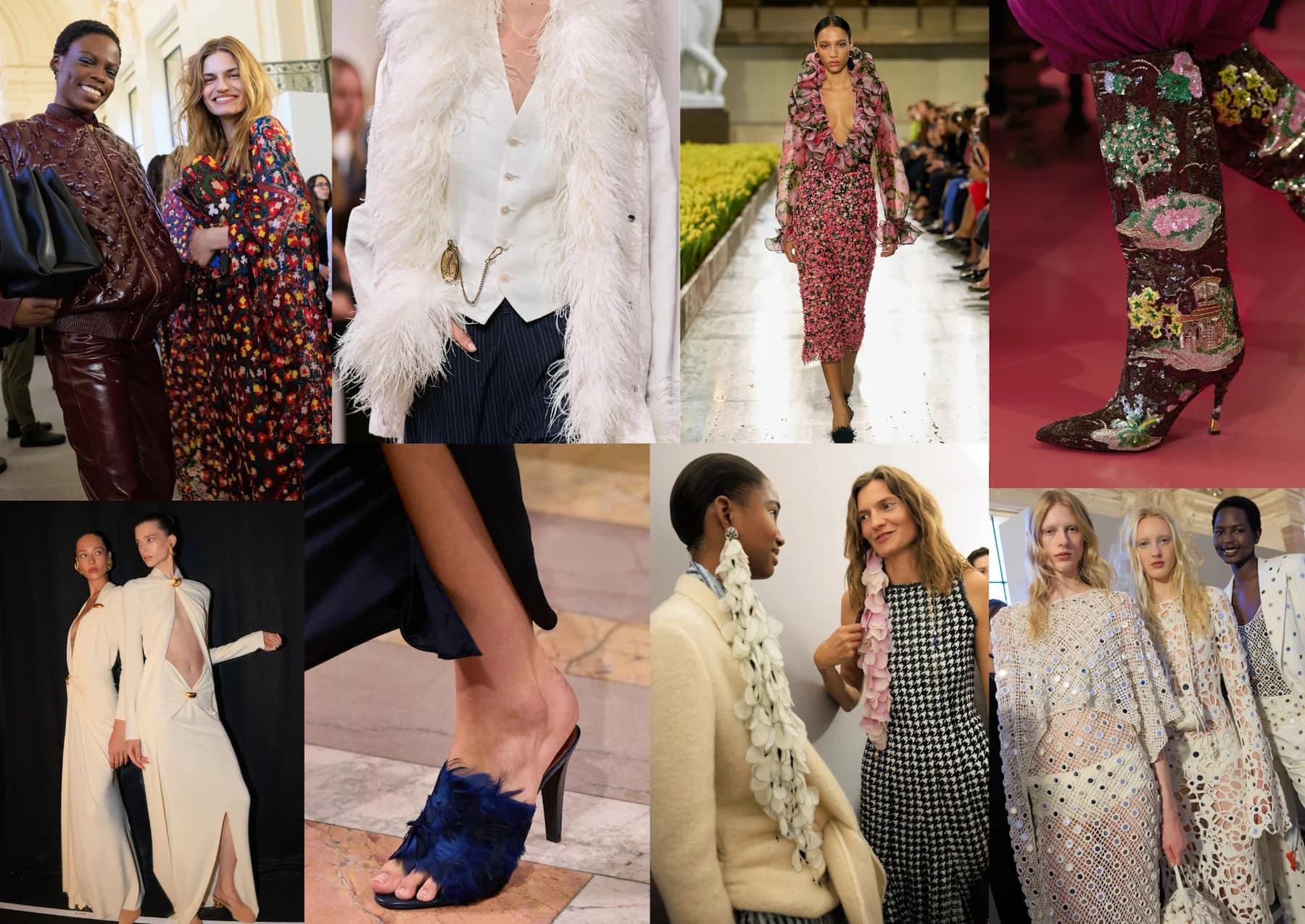
With that said, here are the designers who caught my attention this Fashion Week.
Wes Gordon at Carolina Herrera


Carolina Herrera
Wes Gordon · Spring 2027
functional, fantastical and loud

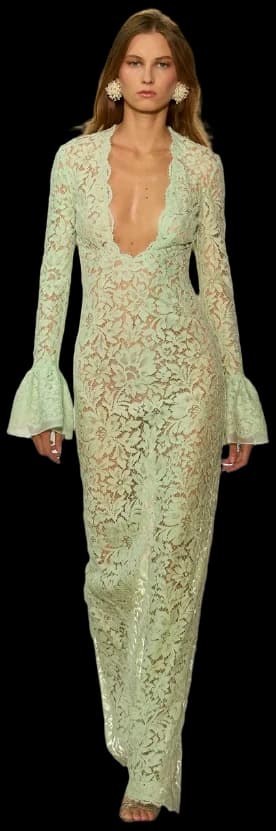
Surrounded by tulips, as if they’re walking through the barren fields of the English countryside, models glided through the runway in pieces that were functional, fantastical and loud. All while keeping the polished look that Carolina Herrera is so known for.
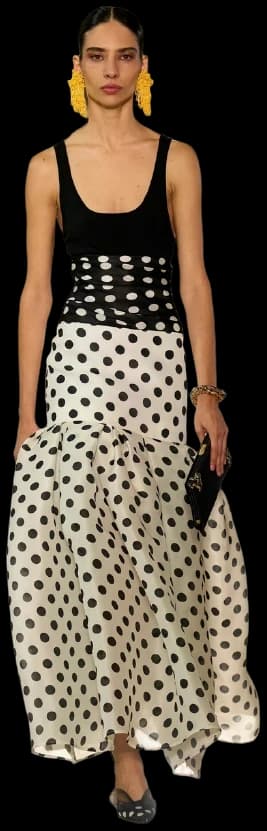
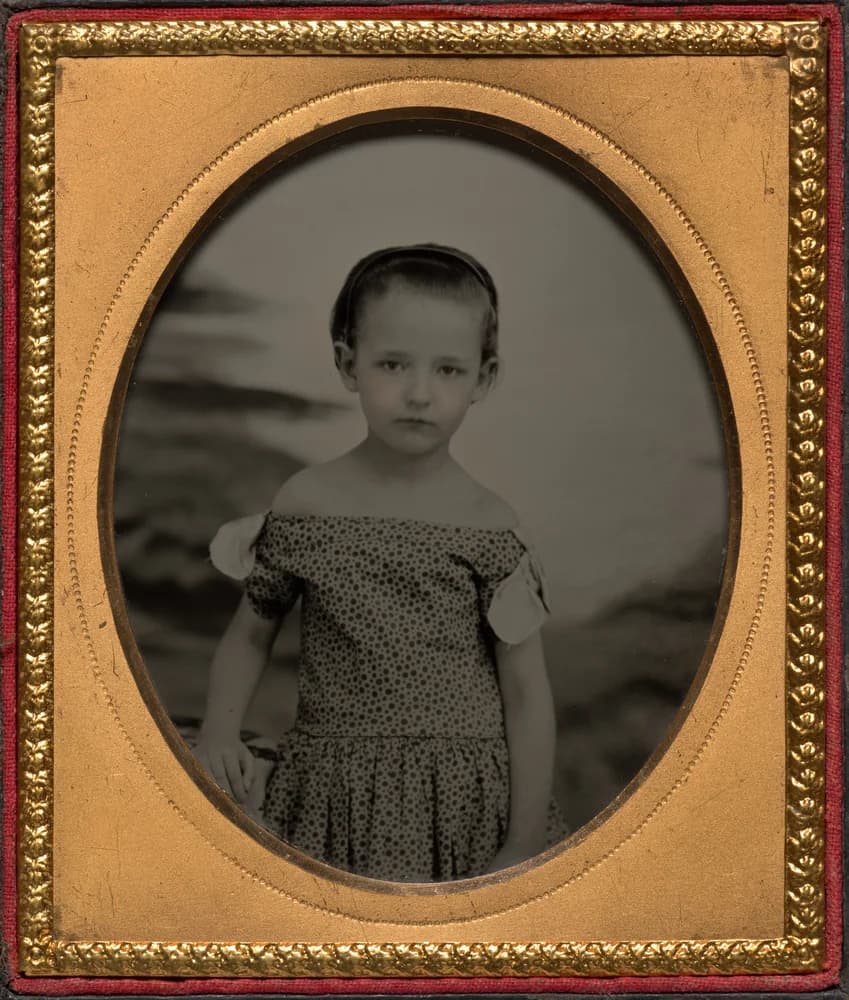
CH is often described as dressing “mothers and daughters”, but this collection counteracted this statement, and draws in both the sophisticated working woman and the twenty-something who wants to dress with a bit more flair. In other words, I want to wear every single look that Gordon presented in New York last month! Specifically the polka dot dress (and I HATE polka dot anything), where Gordon has somehow made them look appealing during his time at CH. To me, he achieved this through the mismatch patterning, dropped waist, and bright yellow earrings to top the look off.
Additionally, Gordon’s use of colour mismatching was great. Blue and pink was paired together, along with red and green, among other mismatching prints. I have never been one to disregard mismatching prints though, I think it works well. Gordon carried this through the RTW show, with organza patterned blouses married to odd skirts for example. He is rejecting the ‘safe’ depiction of a civilised woman, which I think often falls under an extremely boring, plain, colourless, vapid, uninteresting definition within fashion.
It is safe to say this has been my favourite show of the season. Perfection.
Daniel Roseberry at Schiaparelli
Schiaparelli
Daniel Roseberry · Spring 2027
I need not to say much as always does the talking itself. Roseberry strikes again with another flawless show.
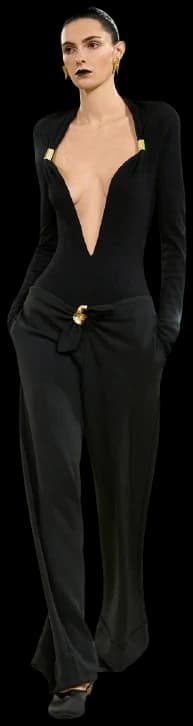
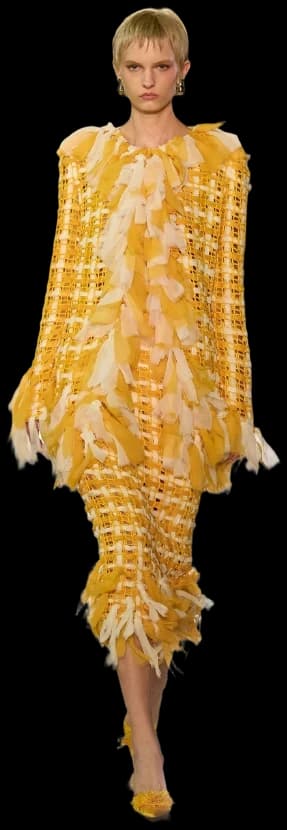
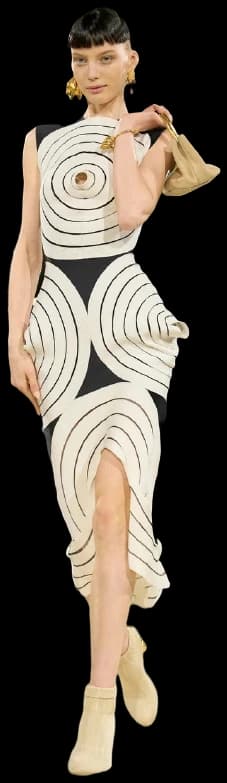
Spring Ready-to-Wear reconfigured traditional clothing structures, into art, through his sharp, architectural tailoring. Schiaparelli’s pieces featured a sort of heavy internal construction, whereby hip peplums and padded shoulders appear to form the women wearing them into a kind of geometric shape. They appear almost other-worldly, but through maintaining deep plunge neck lines, and waist cinching silhouettes, we are still reminded that beneath these hallucinatory motifs, lies the female form.
Roseberry’s continuous ode to Elsa keeps the house alive, where it felt like the perfect foundation for a collection centred around the iconic ‘Schiap’ jacket. Unlike her rival Coco Chanel, whose designs emerged through her pragmatism, Elsa Schiaparelli was a dreamer, and treated hers as a canvas for surrealism, collaborating with artists such as Salvador Dalí, to turn tailoring into art.
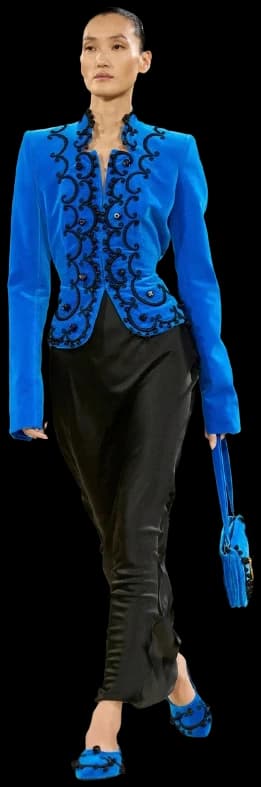
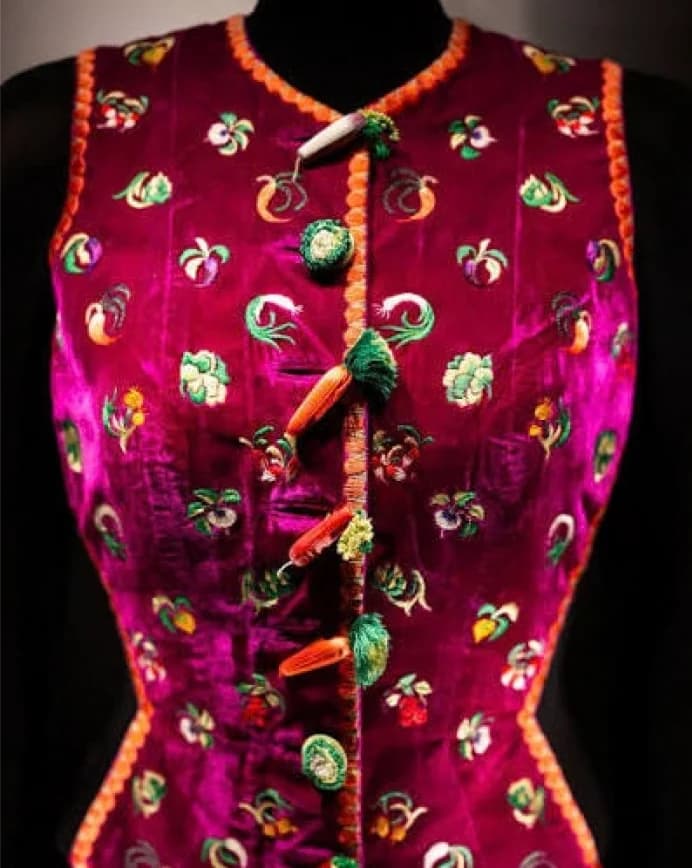
We see this come to play with the absolutely fantastic pop of colours appearing at the end of the show on Roseberry’s jackets. One showstopper honoured Elsa’s 1941 Vegetable Jacket, seen below, by giving it a modern, militaristic update. Made for the contemporary woman. And the shoes! they have little carrots on them. I need them, and the jackets, and the dresses, and everything.
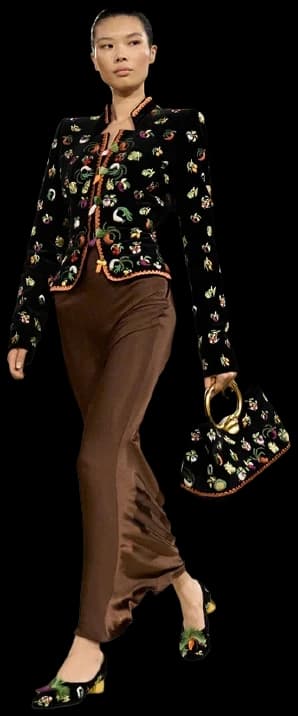
Daniel Roseberry, 2027
Elsa Schiaparelli, 1941
Daniel Roseberry, 2027
Elsa Schiaparelli, 1941
Johanna Ortiz at Johanna Ortiz
Johanna Ortiz
Spring 2027

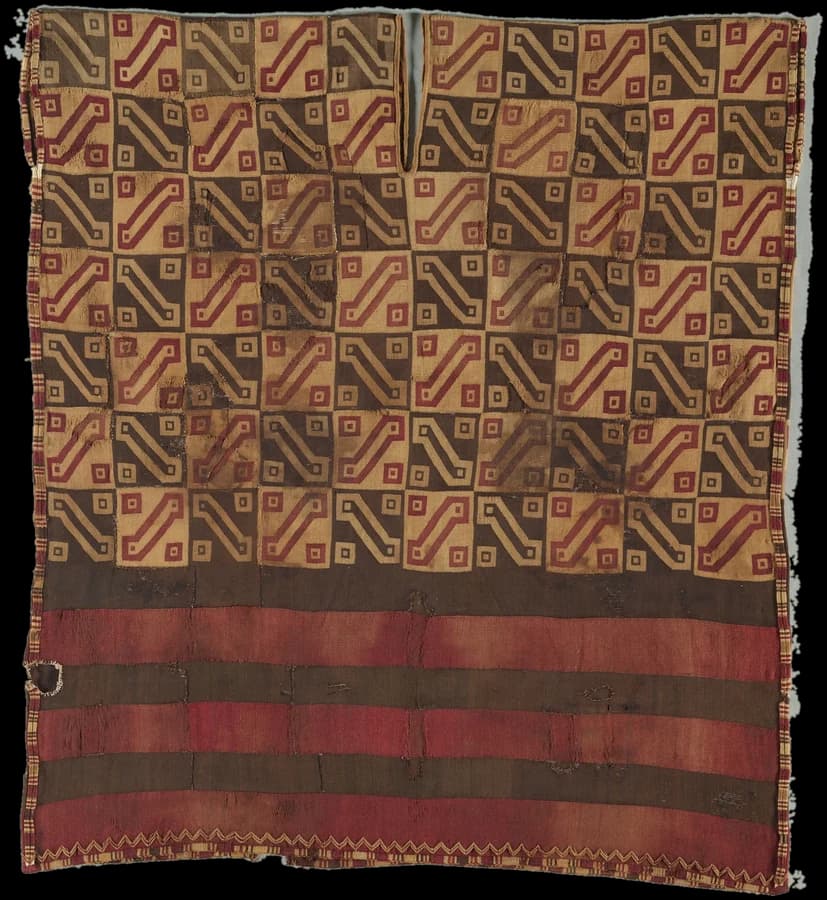
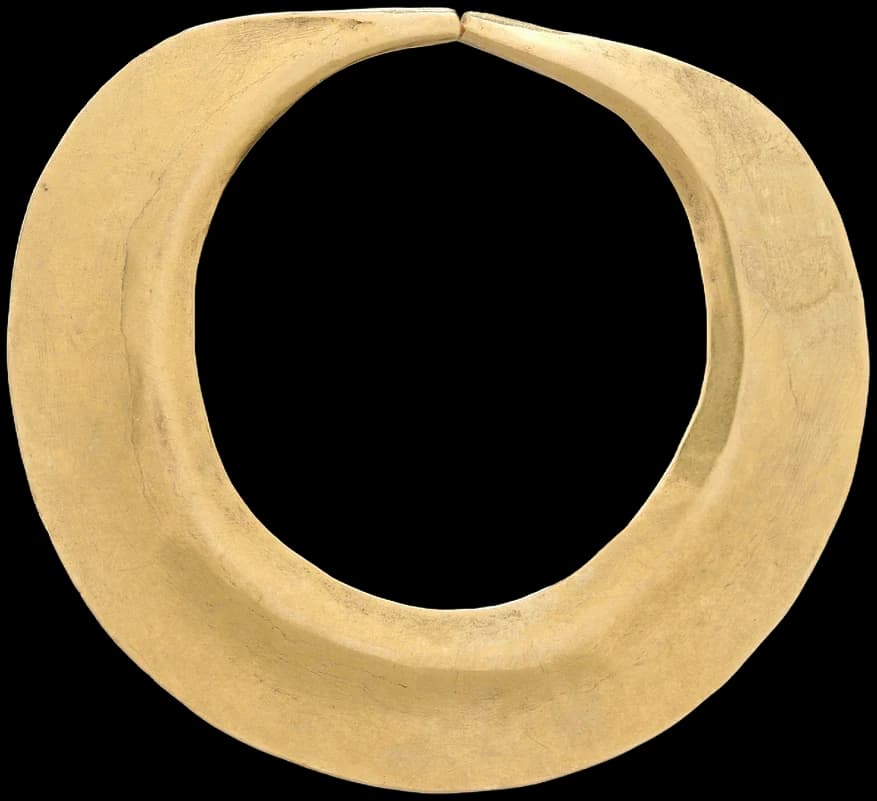
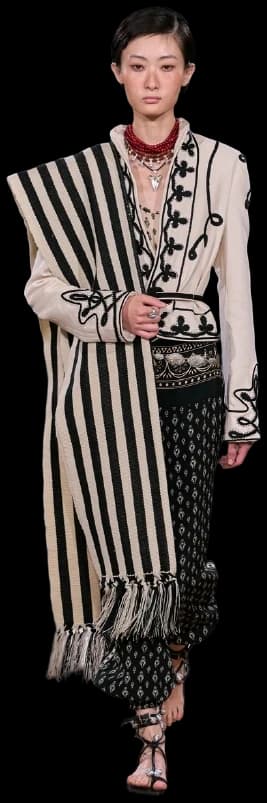
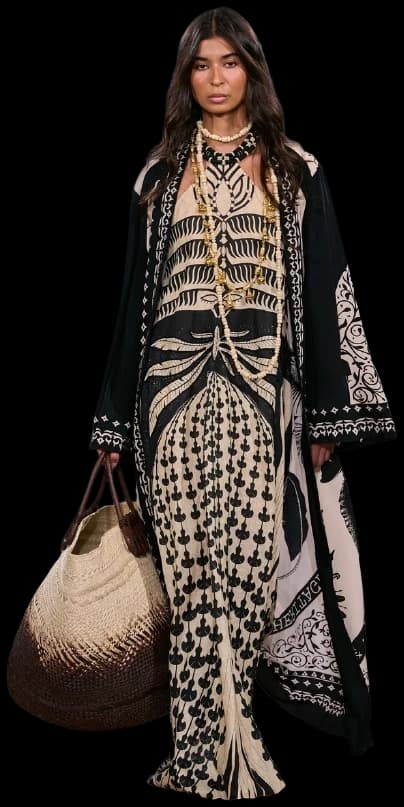
If you know me personally, you’d know that is my inner bohemian dream. Ortiz brings Latin American creativity to the centre of her Spring collection, with a blend of rich indigenous craftsmanship and tropical passion.
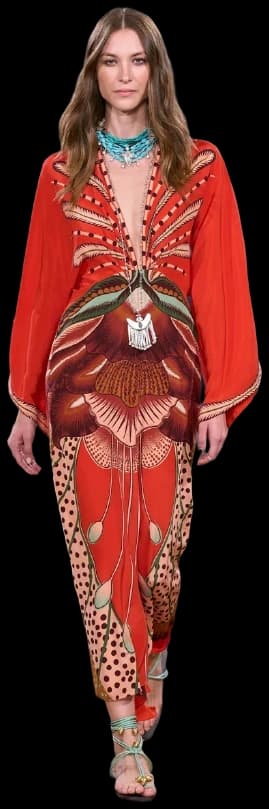
Her show featured floor-sweeping silhouettes, oversized draped ponchos, fringed shawls and kimono-style sleeves. She finished these pieces with intricate embroidery and tribal-like prints, almost as if you had just stepped off a Nile cruise. You are sun-kissed and indulgent. Much happier than you were when you arrived.

earthy tones contrast against her terra-cotta reds and turquoise, anchored by her raffia totes, which turns the looks into a way of life, rather than a simple piece of clothing. My favourite part of the show was her use of the Ruana (pictured above), a traditional garment originating from the Andes, including Johanna Ortiz’s country of Colombia. It breaks down the traditional lines and symmetry of the fitted jacket underneath, carrying your eye down to lengthen the silhouette, and adds a kind of fluidity to the look, whilst also showcasing Colombian heritage.
Her collection felt less like a fashion show and more like an experience, one that makes you want to step straight into it, preferably with a suitcase already packed…..
Jonathan Anderson at Christian Dior
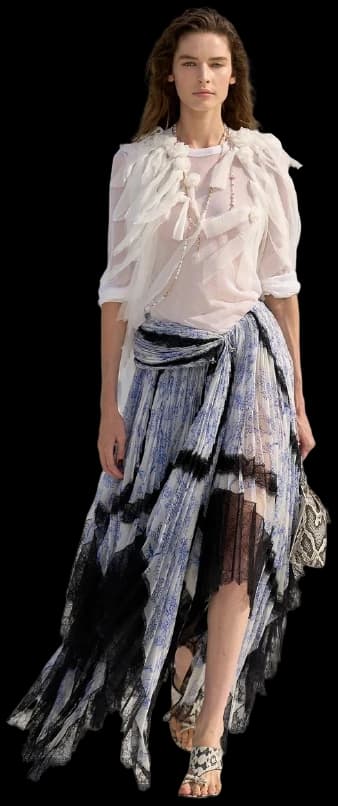
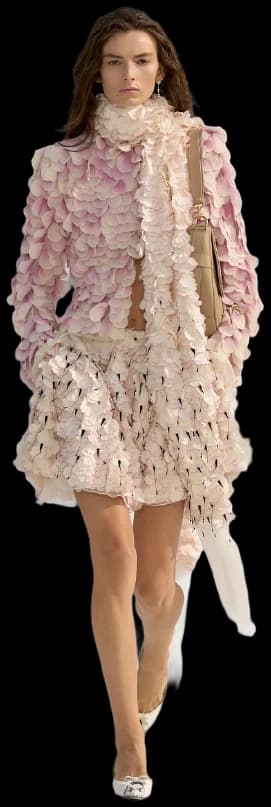
Christian Dior
Jonathan Anderson · Spring 2027
rough and soft coexisted
When was at Loewe I was an avid viewer of what masterpieces he would present on the runway. This however, subsided as he transitioned into Dior in April of 2025. Anderson’s first designs for womenswear were underwhelming, and lacked the odd genius that he held during his time at Loewe, where he somehow made heirloom tomatoes and artichokes work as bags.
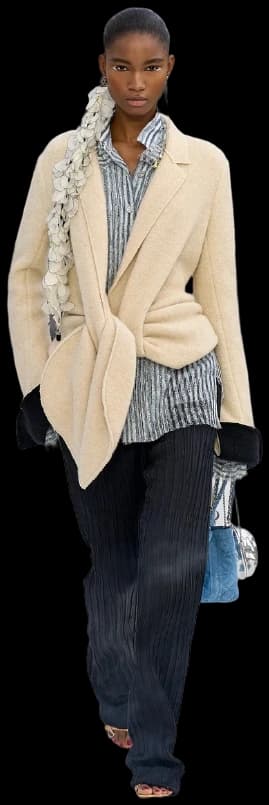
However, the Spring 2027 Ready-to-Wear caught my attention again. Anderson seemed to veer away from trying to transition lightly from Maria Grazia Chiuri’s Dior, into his own world of Dior. This decision was ultimately successful, and made his collection a breath of fresh air this season.
Particularly, Anderson’s use of texture made his collection captivating. Rough and soft coexisted to create a fascinating tension, with fabrics almost competing against one another, while somehow working perfectly together. There was something wonderfully tactile about the collection. You could almost feel the pieces through the screen.
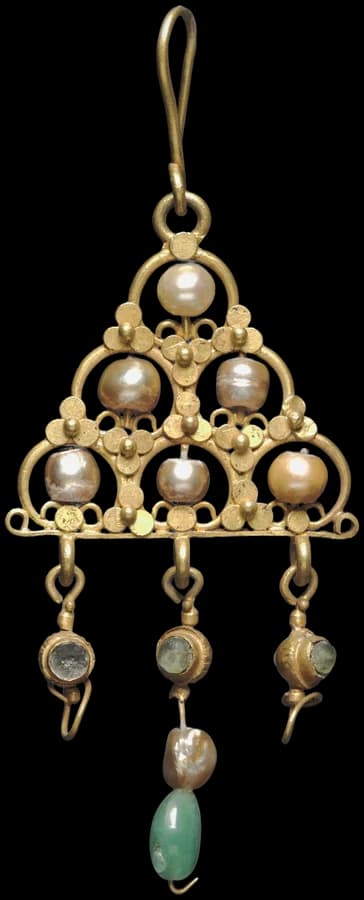
Perhaps my favourite detail of the show was the earrings, or rather, the singular earring worn by each model. It was an unexpected little detail that gave the looks a sense of individuality and rebellious edge, proving that often it is the smallest details that truly make the biggest impact.
Gabriela Hearst at Gabriela Hearst
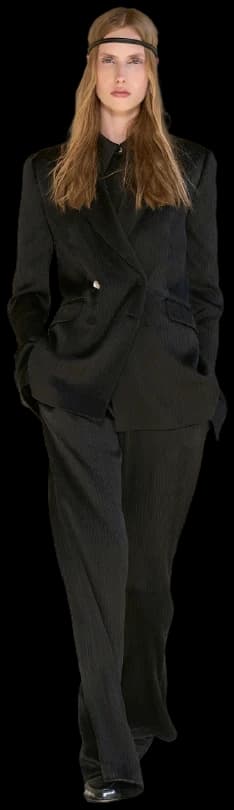
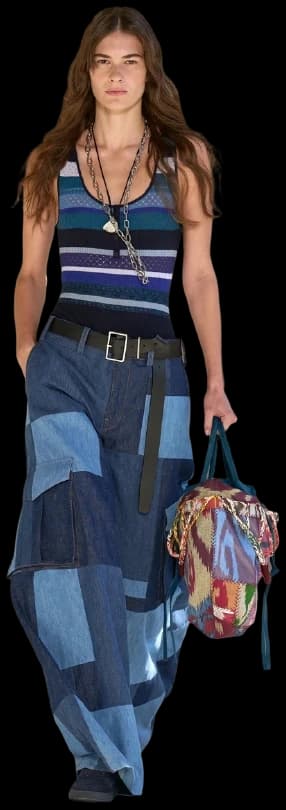
Gabriela Hearst
Spring 2027
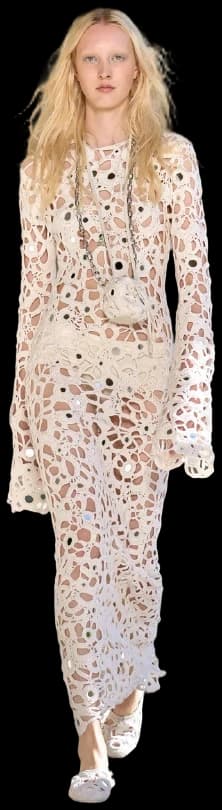
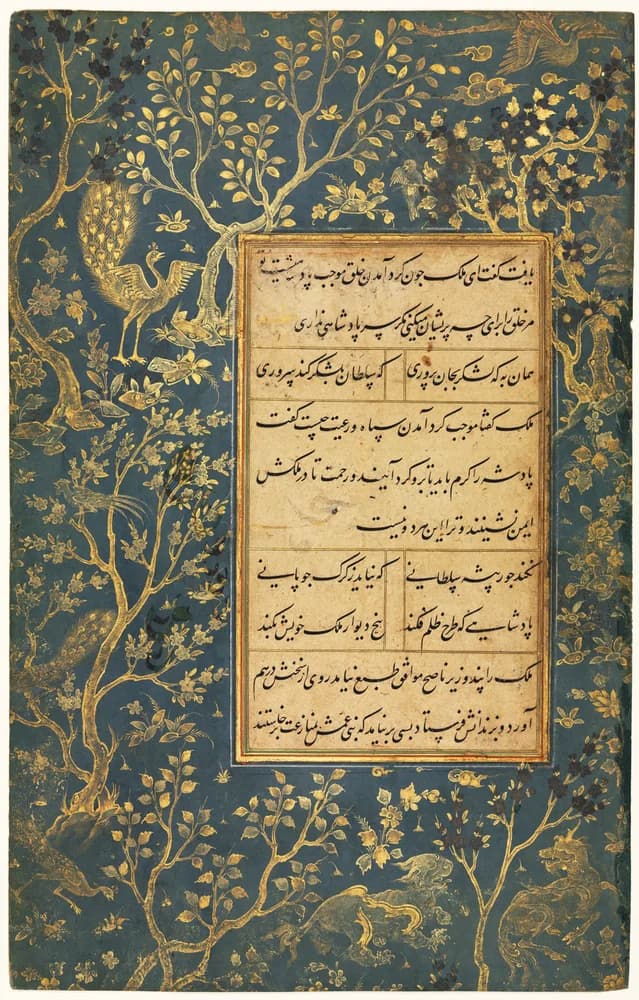
latest collection takes inspiration from 100 years of Afghan women, highlighting the country’s rich traditions of textiles, jewellery and craftsmanship, to render her collection both deeply cultural, and distinctly contemporary.
Gabriela’s use of headpieces immediately caught my attention. There is something so captivating about the way she marries the free-spiritedness of the 1960s hippie era, with the authority of a sharply tailored power suit, for example (pictured above). It is an unlikely pairing, but it works. I love it.
And as someone who isn’t usually drawn to black, that is saying something. Alternatively, as an avid fan of anything eccentric, I adore how these headpieces soften the severity of the tailoring, while the structured silhouettes of her dresses and suits give her pieces an unmistakable sense of power. They feel feminine without being overly delicate, and commanding without trying too hard.
Ralph Lauren at Ralph Lauren
Ralph Lauren
Spring 2027
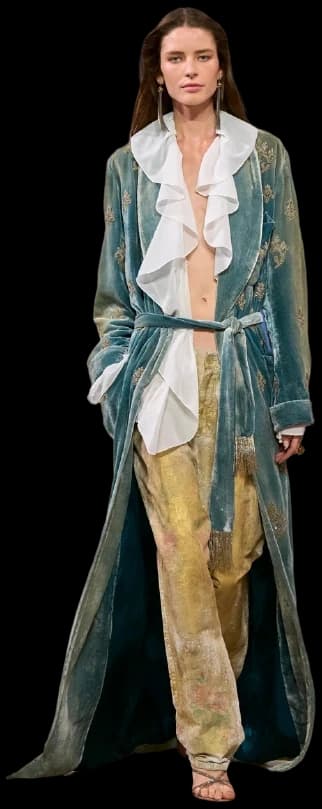
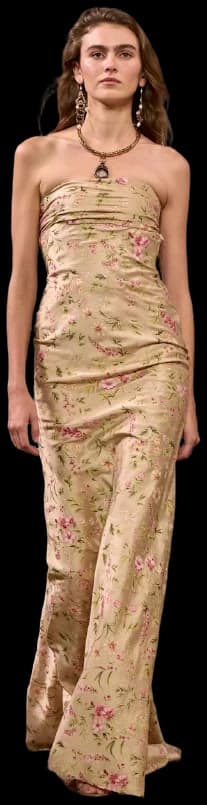
Once again, Lauren is doing what he does best: contradictory pieces held together by an air of romanticism and exceptional sartorial choices.
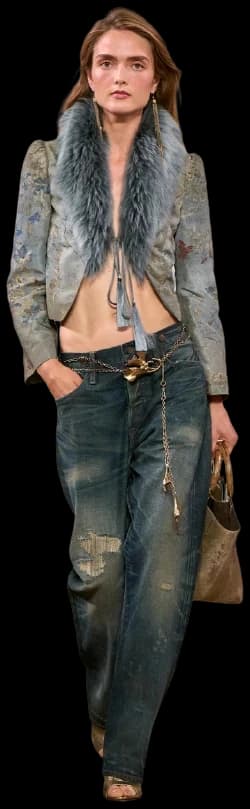
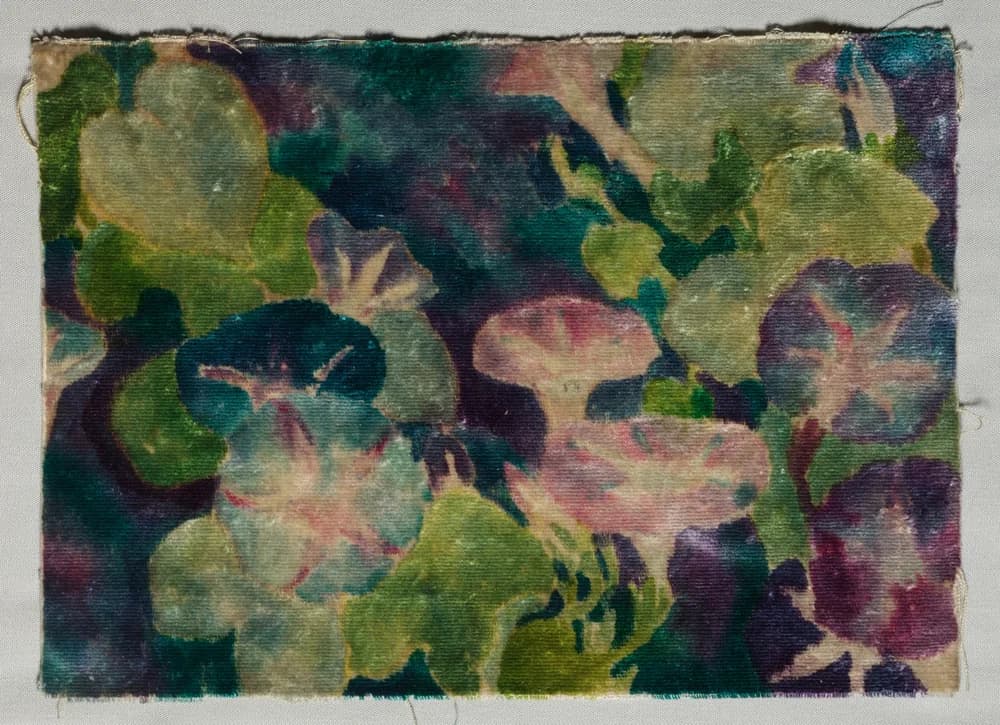
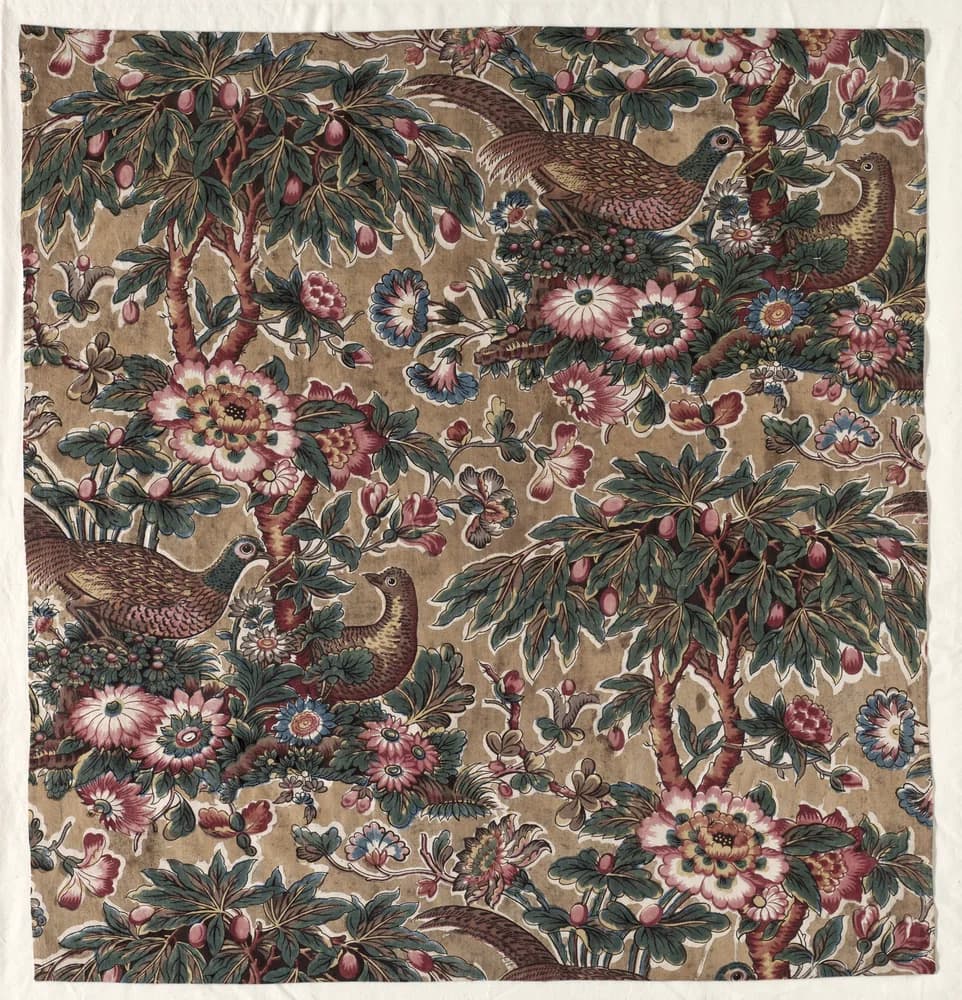
Each look, although appearing to adopt an effortless feel, is carefully considered, with every detail working to create that perfectly ‘undone’ style. But, what exactly is this style? It’s the opulent versus the casual, the slouchy and the utility. I find that even his dresses, garments that cost upwards of 4 figures, feel like something you’ve pulled from that vintage trunk in the corner of your bedroom. This is where the magic of his high-low styling comes alive. By pairing textures like teal velvet and fur collars with distressed denim and ruffles, he refuses the traditional stiffness that we often think of when it comes to luxury clothing. Or the subtle way a choker necklace, paired with a floral dress, can turn a formal look into a western fantasy.
It’s a masterclass in subverting grandeur, not because it’s wrong, but because it is overtaken by an unpretentious and intimate feel that makes loved by so many.
Picture credits
Runway photographs: Vogue Runway, Spring 2027 ready-to-wear (Carolina Herrera, Schiaparelli, Johanna Ortiz, Dior, Gabriela Hearst and Ralph Lauren), shown with their backgrounds removed to illustrate the review. They belong to their photographers and to the houses that showed the clothes. The pictures beside the runway are from the Cleveland Museum of Art's open-access collection, free for anyone to use: Pieter Holsteyn II, three Studies of a Tulip, about 1645 · Child in an off-shoulder polka-dot dress, America, about 1860–65 · Adolphe-Félix Cals, Still Life with Vegetables, Partridge, and a Jug, 1858 · Quimbaya pendant and nose ornament, Colombia, about 400–1000 · Muisca bird bead, Colombia, about 900–1550 · Inca tunic, Peru, about 1400–1540 · Earring, one of a pair, Byzantium, 600s · Illuminated page from a Gulistan of Sa'di, Herat, about 1475–1500 · Bannister Hall, glazed chintz, England, about 1816 · Dorothy Marshall Hornblower for Tiffany Studios, stencilled velvet, about 1902–10 · Elsa Schiaparelli's 1941 vegetable jacket: a photograph of it on display, photographer being credited.
Your turn
Now dress your own front row
Every look above, cut into a head, a top and a pair of legs. Swipe to put together one that nobody showed.
If it was worth your time
What did you make of it?
There are many ways to read a piece of writing and I would like to hear yours — agreement least of all. Whatever you leave sits under this essay only.
Loading…
Seat A1
Spring 2027
When there is a new essay
I write when I have something worth saying, which is not often. Leave your email and I will tell you when the next one is up. Nothing else.